Ewing’s sarcoma is a rare, aggressive cancer that develops in bone and soft tissue, most often between the ages of 5 and 20. It tends to start in the long bones or pelvis and leads with bone pain, swelling, and fever, which is why it gets mistaken for an infection so consistently. Treatment combines chemotherapy, surgery, and radiotherapy, and the sequence matters as much as the treatments themselves.
According to Dr. Aanchal Bhatia, orthopedic oncologist in Bangalore, “Ewing’s sarcoma moves fast. Fever and bone pain together in a child are not an infection until you have ruled out a tumour. The children who do best are the ones whose parents pushed for imaging early.”
What Are the Signs of Ewing's Sarcoma in Children?
The symptoms overlap with common childhood illnesses, which is exactly what causes the delay.
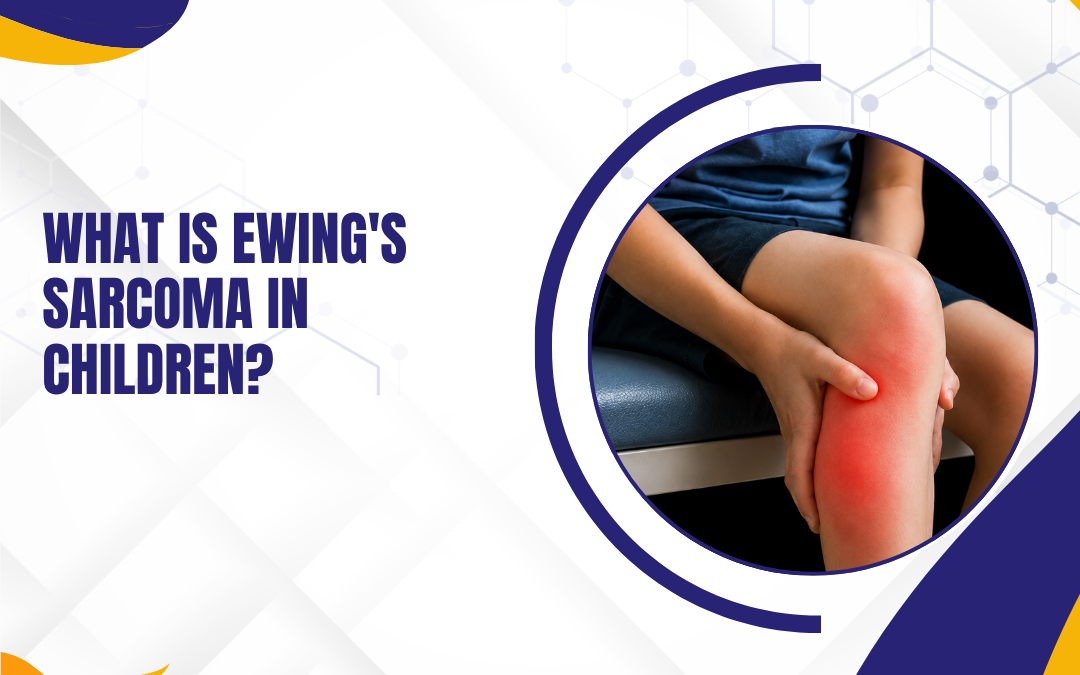
Bone pain and swelling at the same site: Pain builds over weeks, worsens at night, and a firm swelling develops at the same spot. In younger children this gets written off as a sports knock or minor fall without much thought.
Fever with no identifiable cause: A persistent low-grade fever with no obvious infection source is one of Ewing’s more distinctive features. It’s why many children complete two courses of antibiotics before a bone tumour is ever considered. Fever here isn’t incidental. It’s a signal.
Fatigue and gradual weight loss: Reduced appetite, tiredness that doesn’t lift, and slow weight loss over several weeks point to something systemic. Children often appear unwell in a way that doesn’t fit any obvious diagnosis, which is reason enough to investigate.
Neurological changes with spinal involvement: When the tumour sits near the spine or pelvis, it can press on nearby nerves and cause numbness, leg weakness, or bladder and bowel changes. These cases sometimes reach a neurologist before an oncologist. That’s a delay worth avoiding.
Recognising these early keeps the full range of treatment options available. For specialist evaluation, learn more about bone cancer treatment.
Fever and bone pain still there after two weeks? It’s time to see a specialist.
How Is Ewing's Sarcoma Diagnosed and Treated?
Diagnosis follows a structured workup, and treatment is intensive but well established.
Confirming the diagnosis: X-ray first, then MRI to map local extent, then biopsy to confirm the tissue type. A bone marrow biopsy is done alongside. Where the needle goes in isn’t a minor detail. A poorly placed biopsy can permanently close off surgical options that were otherwise on the table.
Staging the disease: CT chest, PET-CT, and bone marrow assessment show how far things have spread. Around 25 percent of patients already have metastases at diagnosis, most commonly in the lungs and bone marrow. Knowing this upfront shapes everything that follows.
Chemotherapy before local treatment: Treatment starts with chemotherapy, not surgery. Several months of systemic treatment come first, shrinking the primary tumour and reaching microscopic disease imaging hasn’t picked up. How the tumour responds determines what local treatment follows.
Surgery or radiotherapy for local control: Ewing’s responds to radiotherapy in a way most other bone cancers don’t. Where limb-salvage surgery would mean significant functional loss, radiotherapy is a genuine alternative. Where surgery is safely achievable, it remains the preferred option. That call is made case by case.
For more on how childhood bone pain is distinguished from something more serious, read about growing pains and when they need a closer look.
Why Choose Dr. Aanchal Bhatia for Ewing's Sarcoma Treatment in Bangalore?
Dr. Aanchal Bhatia did her MS in Orthopaedics at Ramaiah Medical College and went on to complete her Fellowship in Musculoskeletal Oncology at Max Super Speciality Hospital, Saket, New Delhi, with focused experience in paediatric and adolescent bone tumour care. She holds membership with the Indian Musculoskeletal Oncology Society (IMSOS), has 12 peer-reviewed publications, and sees only bone and soft tissue tumour cases. For Ewing’s sarcoma, that exclusivity matters; these cases need a specialist from the first appointment, not after a referral chain.
Every case here goes through tumour board review before any local control decision is made. Chemotherapy sequencing, biopsy planning, and the choice between surgery and radiotherapy are all worked out together, matched to the child’s age, tumour site, and what’s functionally realistic for them long term. For families in Bangalore working through this diagnosis, earlier specialist involvement consistently means more options, not fewer. Call 9289099511 to book your consultation.
Frequently Asked Questions
1. What is Ewing's sarcoma?
A malignant tumour that develops in bone and soft tissue, most often in children and adolescents.
2. Is Ewing's sarcoma curable?
For localised disease, the five-year survival rate sits at around 70 percent. Earlier diagnosis improves that considerably.
3. How is Ewing's sarcoma different from osteosarcoma?
Ewing’s responds to radiotherapy, which osteosarcoma doesn’t, and fever alongside bone pain is a pattern specific to Ewing’s.
4. Can Ewing's sarcoma be treated without amputation?
In most cases, yes. Limb-preserving surgery or radiotherapy handles local control for the majority of patients.
5. At what age does Ewing's sarcoma most commonly occur?
Most cases fall between ages 5 and 20, right through the years of active bone growth.
Reference
Disclaimer: This article is for educational purposes only. Consult a qualified orthopedic oncologist if your child has persistent bone pain, fever without a clear cause, or any unexplained swelling near a bone.