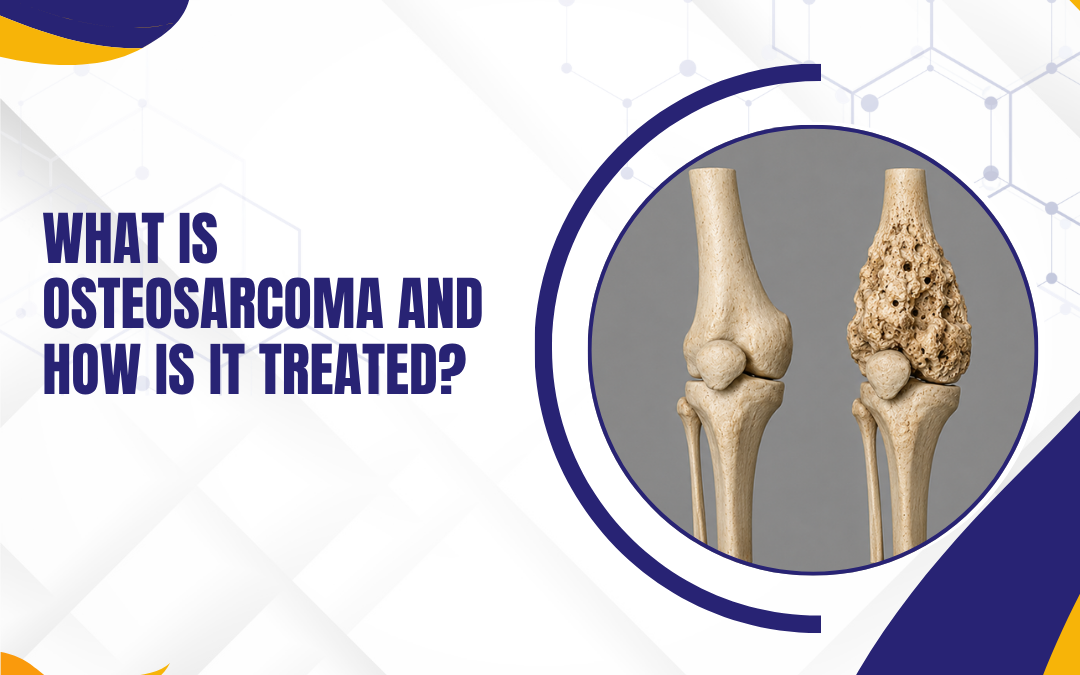
Osteosarcoma is an aggressive bone cancer that develops most often in children and young adults, typically around the knee or upper arm. At that age, the pain gets blamed on sport or posture, and weeks go by before anyone orders an X-ray. Treatment combines chemotherapy and surgery, and in some cases radiotherapy. How early that process starts is what determines how much can be preserved.
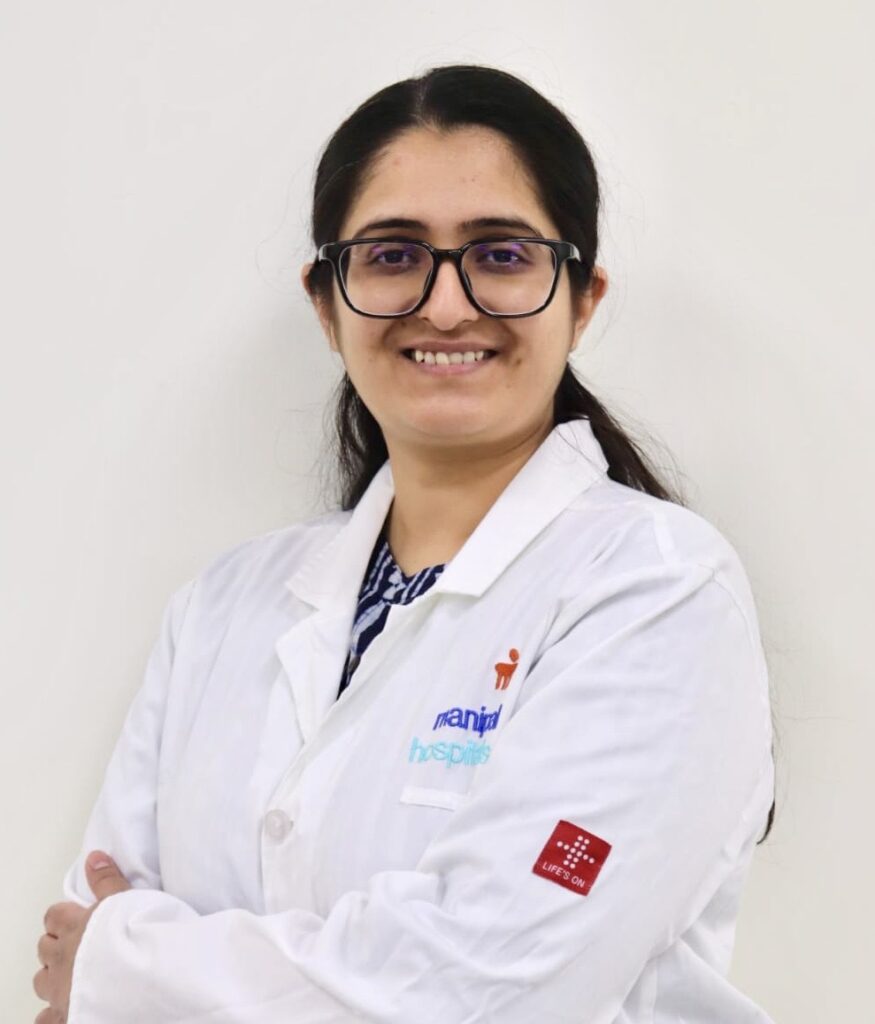
According to Dr. Aanchal Bhatia, orthopedic oncologist in Bangalore, “Osteosarcoma is aggressive, but it responds to treatment when caught early. The problem is that it spends weeks being managed as a muscle strain before anyone orders an X-ray. That delay is what we need to shorten.”
How Is Osteosarcoma Identified?
Who it affects: Peak incidence falls between ages 10 and 30, through the years of active bone growth. Boys are slightly more at risk, though not by much.
Early symptoms: Night pain near the knee or upper arm that wakes the patient, has no obvious cause, and doesn’t ease the way a muscle injury would. Swelling follows. Painkillers help briefly, then the pain comes back. That pattern alone is reason enough to see a specialist.
Getting a diagnosis: X-ray first, then MRI, then biopsy. A CT chest and PET-CT are needed for staging. One thing families often don’t know: where the biopsy needle goes in matters enormously. A poorly placed biopsy can permanently close off limb-salvage options that were otherwise on the table.
What staging shows: Most patients present with localised high-grade disease, the tumour still within the bone with no spread to the lungs or skeleton. That’s the stage where treatment has the most to offer.
For a specialist review, learn more about bone cancer treatment.
Pain near a joint that’s been building for weeks and isn’t settling? Don’t wait for it to get worse.
How Is Osteosarcoma Treated?
Chemotherapy before surgery: Most families assume the tumour gets removed first. It doesn’t. Chemotherapy comes first, to shrink what’s visible and reach disease that imaging hasn’t picked up yet. How the tumour responds shapes what the post-operative treatment looks like. The two phases are connected from the start.
Keeping the limb: Where the tumour allows it, the affected bone is removed and rebuilt, either with a metal endoprosthesis or through ECRT, where the removed bone is irradiated outside the body before being fixed back in place. At specialist centres, nine in ten patients keep their limb. That number was far lower not long ago.
Post-operative chemotherapy: What follows surgery isn’t a repeat of the first course. Drugs and duration are adjusted based on how the tumour actually responded before the operation. One decision feeds the next.
When amputation is considered: Some tumours grow into major nerves or vessels where reconstruction simply isn’t safe. In those cases, amputation isn’t a failure. It’s the option that gives that particular patient the best outcome, and it’s discussed with the same weight as every other choice.
For a broader look at warning signs, read about growing pains and how to tell the difference.
Why Choose Dr. Aanchal Bhatia for Osteosarcoma Treatment in Bangalore?
Dr. Aanchal Bhatia completed her MS in Orthopaedics at Ramaiah Medical College and her Fellowship in Musculoskeletal Oncology at Max Super Speciality Hospital, Saket, New Delhi. She holds membership with the Indian Musculoskeletal Oncology Society (IMSOS), has 12 peer-reviewed publications, and limits her practice entirely to bone and soft tissue tumour cases. For young patients with osteosarcoma, that means the specialist assessment begins at the first appointment, without being passed through a general orthopaedic setup first.
Biopsy planning comes before anything else. Chemotherapy is sequenced correctly around the operation. Reconstruction is chosen based on the patient’s age, where the tumour sits, and what functional outcome is actually achievable. For families in Bangalore working through this diagnosis, the earlier specialist input begins, the more options stay open. Call 9289099511 to book your consultation.
Frequently Asked Questions
1. What age group is most affected by osteosarcoma?
Mostly children and teenagers, though young adults into their thirties aren’t exempt. It tends to appear during or just after active bone growth.
2. Is osteosarcoma always treated with amputation?
No. Nine in ten patients at specialist centres keep their limb, and that number has only improved over time.
3. What is the survival rate for osteosarcoma?
For localised disease, the five-year survival rate sits between 60 and 70 percent. Getting to a specialist early is what keeps patients in that range.
4. How long does osteosarcoma treatment take?
From the first chemotherapy cycle through to post-operative recovery, most patients are looking at nine to twelve months.
5. Can osteosarcoma come back after treatment?
Yes, most often in the lungs within the first two years. Follow-up imaging isn’t optional; it’s built into the plan from the start.
Reference
Disclaimer: This article is for educational purposes only. Consult a qualified orthopedic oncologist if you or your child has persistent bone pain, swelling near a joint, or a suspected bone tumour.