Quick Summary

u

Conditions treated

Chondrosarcoma and other bone tumours, including conventional, clear cell, mesenchymal, and dedifferentiated chondrosarcoma.
u

Provider

Dr. Aanchal Bhatia, Orthopedic Oncologist, specialising in musculoskeletal oncology and surgical management of bone tumours.
u

Treatment plan

Individualised treatment based on the tumour type, grade, size, location, and extent, with surgery and limb-salvage approaches considered when appropriate.
u

Location

Available for consultations at Medicover Hospital, Manipal Hospital Yeshwanthpur, Manipal Hospital Malleswaram, and Bone Tumour and Sarcoma Care.

Chondrosarcoma Treatment in Bangalore

Chondrosarcoma is a rare form of bone cancer which originates from cells responsible for producing cartilage and affects the pelvis, thigh bone, shoulder area, ribs, and other bones. As chondrosarcoma can vary greatly in terms of its nature and growth pattern, accurate diagnosis and individual approach to treatment are key to ensuring positive results.

Dr. Aanchal Bhatia, a renowned orthopedic oncologist in Bangalore, explains that the individual approach to the treatment of chondrosarcoma should include assessment of the type, location, size of the tumour and its effect on adjacent structures. Treatment of such tumours is carried out with an attempt to remove the tumour without compromising mobility and function if possible.

Dr. Aanchal Bhatia is highly skilled in bone cancer treatment, sarcoma care, limb salvage surgery, soft tissue tumour surgery, and complex bone tumour management. Through her experience in musculoskeletal oncology and advanced surgical techniques, she provides personalised care for patients seeking Chondrosarcoma treatment in Bangalore with a focus on improving quality of life and maintaining limb function.
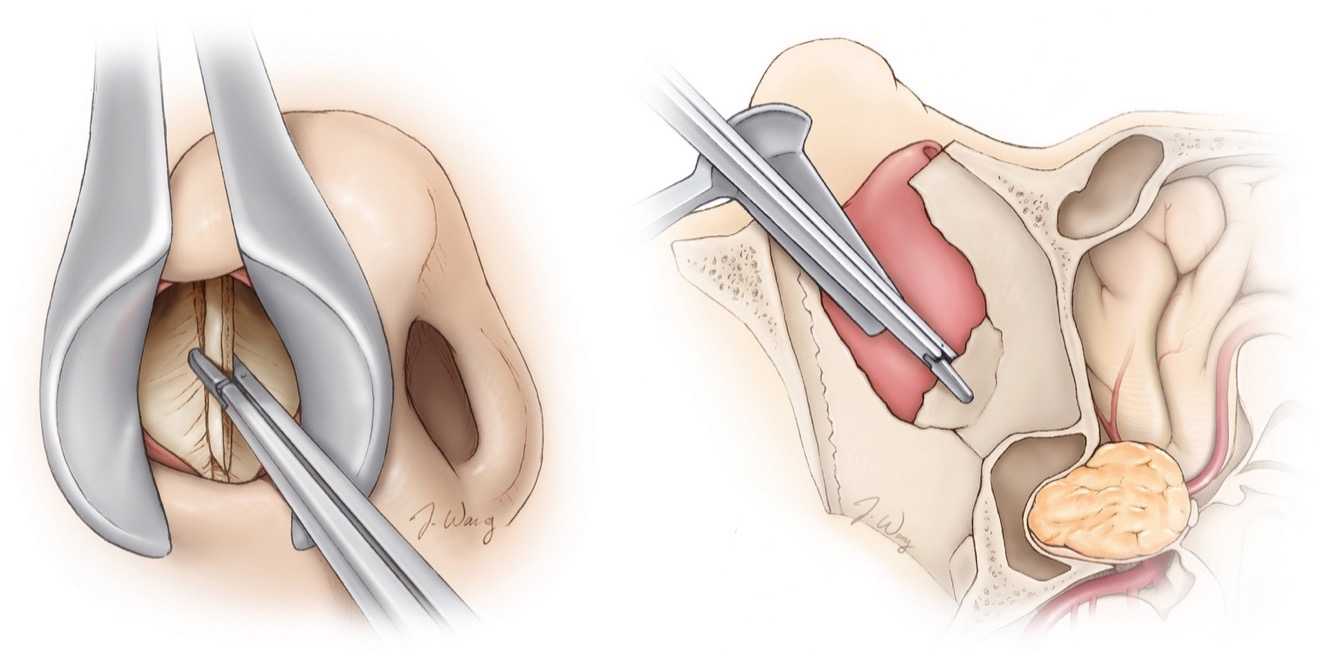
Are there different types of chondrosarcoma? Let’s discover how tumour type influences treatment planning.

Types of Chondrosarcoma Treated by Dr. Aanchal Bhatia

Chondrosarcoma can be classified based on its appearance, location, and growth behaviour. The treatment approach depends on whether the tumour is slow-growing or more aggressive.
A few of the types seen most often:

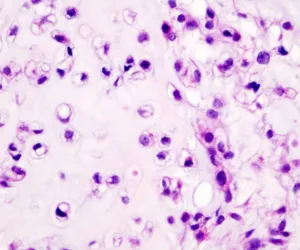
Conventional Chondrosarcoma
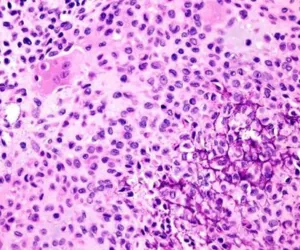
The most common type of chondrosarcoma, usually affecting the pelvis, thigh bone, shoulder, or upper arm. Treatment is planned based on grade and extent— not the location alone.

Clear Cell Chondrosarcoma

Rare, and slow growing. It develops near the ends of long bones, and the priority is getting it out completely left behind, and it’s more likely to come back.

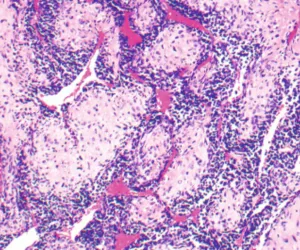
Mesenchymal Chondrosarcoma

An uncommon and more aggressive form that may require a combination of treatments depending on the tumour behaviour and individual condition.

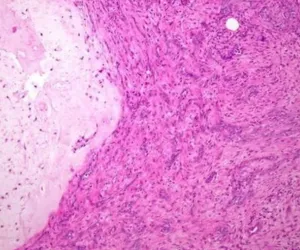
Dedifferentiated Chondrosarcoma

A higher-grade subtype that can grow more rapidly. It requires careful treatment planning with a multidisciplinary approach.
Early evaluation can help identify the exact type of chondrosarcoma and guide appropriate management.
Accurate tumour identification helps determine suitable treatment options. Get in touch with a bone tumour specialist for expert evaluation and guidance.
How is chondrosarcoma confirmed? Let’s discuss the tests used for accurate diagnosis.

How Is Chondrosarcoma Diagnosed?

Diagnosing chondrosarcoma requires a combination of clinical evaluation, imaging, and tissue analysis. These tests help determine the tumour type, size, location, and extent of involvement:

Physical Examination:

The doctor evaluates symptoms, swelling, pain patterns, movement limitations this helps understand the condition and plan further investigations.

X-Ray:

An X-ray helps identify abnormal bone changes, tumour location, and structural changes caused by chondrosarcoma.

MRI Scan:

Shows the tumour and the soft tissue around it in much finer detail useful for assessing its size and spread.

CT Scan:

A CT scan gives a clearer view of bone involvement and helps in surgical planning by showing the exact tumour anatomy.

Bone Scan / PET-CT:

Used to assess whether chondrosarcoma has spread to other parts of the body and to rule out metastasis.

Biopsy:

The step that actually confirms diagnosis— a tissue sample examined under a microscope, which also determines the tumour grade.

Dr. Aanchal Bhatia, an eminent bone tumour specialist in Bangalore, uses a systematic approach to diagnosis, combining clinical findings, imaging reports, and pathology results to create an appropriate treatment plan.

What are the treatment options for chondrosarcoma? Let’s explore the approaches used to manage this condition.

How Is Chondrosarcoma Treated?

The chondrosarcoma treatment depends on factors such as the tumour type, location, size, and overall health of the patient. The goal is to remove the tumour effectively while preserving movement and function whenever possible.

Surgery

Surgery is the primary treatment for most chondrosarcoma cases. It involves removing the tumour with adequate margins while aiming to preserve surrounding healthy structures.

Limb Salvage Surgery

This procedure removes the tumour while saving the affected limb. Reconstruction using implants, bone grafts, or other techniques may be performed to restore function.

Prosthetic Reconstruction

When a significant portion of bone or joint is removed, custom or modular implants may be used to restore stability and mobility.

Radiation Therapy

Not the default, but useful in specific situations especially when surgery alone can’t fully eliminate the tumour, or for controlling residual tumour cells.

Chemotherapy

Chondrosarcoma generally shows limited response to chemotherapy, but it may be considered in selected aggressive subtypes such as mesenchymal or dedifferentiated chondrosarcoma.
Dr. Aanchal Bhatia has experience in performing orthopaedic oncology procedures including limb salvage surgery, prosthetic reconstruction, bone tumour excisions, biopsies, soft tissue and tumour excision.
What happens after chondrosarcoma surgery? Let’s discuss recovery, rehabilitation, and long-term care.

Recovery After Chondrosarcoma Treatment

The process of recovery following chondrosarcoma treatment largely depends on the type of surgery done, location of the tumour and the amount of reconstruction required.

Rehabilitation and Physiotherapy- A structured rehabilitation plan helps improve strength, movement, and function after surgery.

Pain Management and Healing- Follow-ups, wound care, and pain management all play a role in improving the process of recovery.

Follow-Up Monitoring– This involves monitoring the healing process of healing as well as early detection of any signs of recurrence.

Back to Normal Activities- Gradual progression with guidance from the care team enables the patient to resume their normal activities after surgery.

Dr. Aanchal Bhatia has a keen interest in surgical treatment techniques that aim to preserve patient’s mobility, restore function and support a better quality of life after surgery.

Why Choose Dr. Aanchal Bhatia for Chondrosarcoma Treatment in Bangalore?

Specialized Orthopedic Oncology Expertise

Dr. Aanchal Bhatia is an expert in dealing with bone malignancies, sarcomas, soft tissue tumors, and musculoskeletal oncology disorders.

Expertise in Limb Salvage Surgery

The treatment methods preferred by Dr. Aanchal Bhatia involve surgical removal of tumors while preserving mobility of limbs.

Research Based Clinical Approach

Dr. Aanchal Bhatia has been involved in research work on orthopedic oncology and has published articles in indexed medical journals, supporting evidence-based care.

Patient-Centred Follow-Up Care

She provides guidance throughout treatment and recovery, including rehabilitation support and long-term monitoring.

Proficiency in Advanced Bone Tumor Surgical Techniques

She is proficient in surgical techniques like bone tumor excision, biopsy, removal of soft tissue tumors, curettage, bone grafting, biologic reconstruction surgery, and prosthetic joint reconstruction surgery.

Treatment Methodology That Promotes Movement and Function

She not only ensures tumor control but also ensures that her patients can continue to move around and live a normal life.
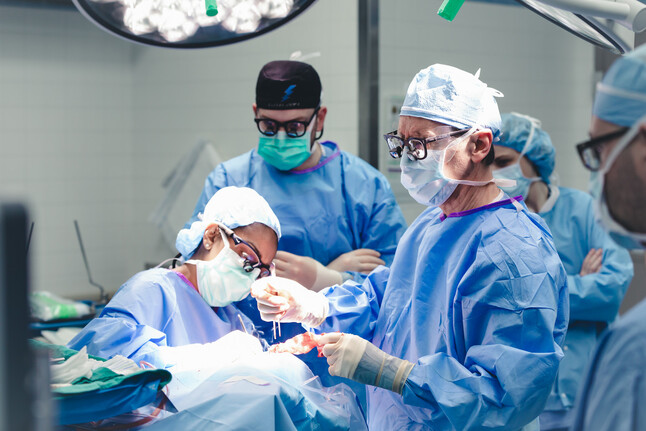
Choosing the right specialist can make treatment planning more focused. Connect with an experienced professional to explore available care options.

Frequently Asked Questions

1. What are the common symptoms of chondrosarcoma?

Symptoms may include persistent bone pain, swelling, a growing lump, and reduced movement near the affected area.

2. Is surgery the main treatment for chondrosarcoma?

Yes, surgery is the primary treatment for most chondrosarcoma cases, with the goal of removing the tumour completely while preserving function.

3. Does chondrosarcoma come back after treatment?

There is a possibility of recurrence, which is why regular follow-up and monitoring are important after treatment.

4. Can chondrosarcoma spread to other parts of the body?

Some aggressive types can, particularly to the lungs. Regular monitoring is how that gets caught early.

5. When should I consult a bone tumour specialist?

Persistent bone pain, swelling that doesn’t have an obvious cause, or a suspected bone tumour any of these are reason enough to get evaluated.

Disclaimer: The information shared in this content is for educational purposes and not for promotional use.

Call Now Button