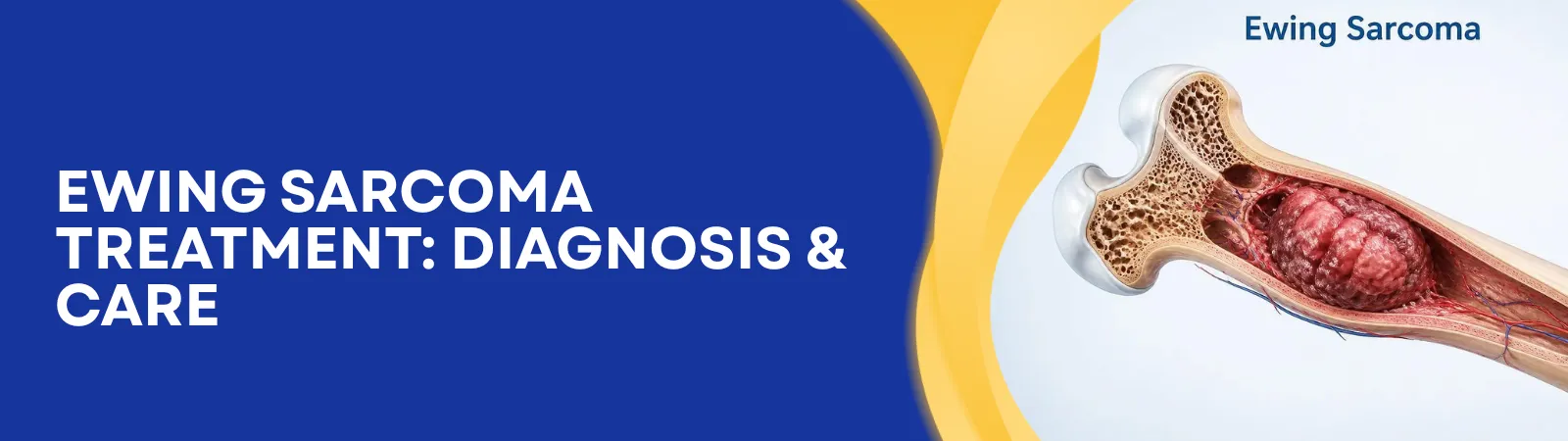
Ewing Sarcoma Treatment in Bangalore
Ewing Sarcoma is an aggressive and rare form of cancer affecting the bones that commonly occurs among children and adolescents. It often develops in bones of the pelvis, thighs, chest wall, and other long bones. However, in some cases, it may also be present in the soft tissues. Due to its ability to grow quickly and spread to other body areas, prompt diagnosis and treatment for Ewing Sarcoma are vital.
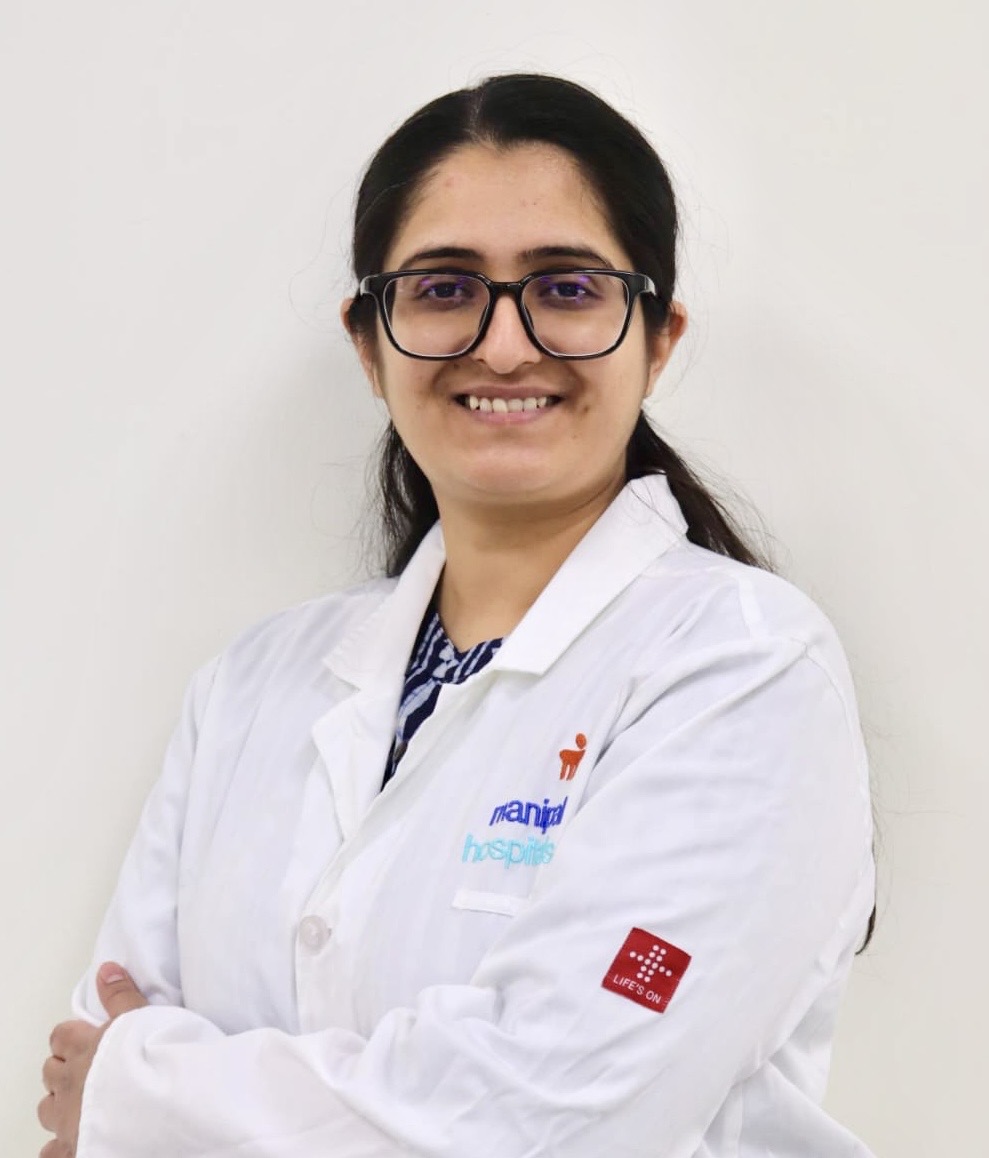
As per Dr. Aanchal Bhatia, an orthopedic oncologist in Bangalore, Ewing Sarcoma should be diagnosed through a careful evaluation of tumor location, size, stage, and response to treatment. A combination of accurate diagnosis, coordinated treatment planning and function preserving surgical techniques helps achieve better results and focus on mobility and quality of life.
She has gained extensive expertise in treating bone cancer, sarcoma care, limb salvage surgery, soft tissue tumors and managing bone tumors. With her vast knowledge of musculoskeletal oncology, Dr. Aanchal Bhatia offers personalized Ewing Sarcoma Treatment in Bangalore. She focuses on advanced surgical approaches, preserving function and supporting long-term recovery.
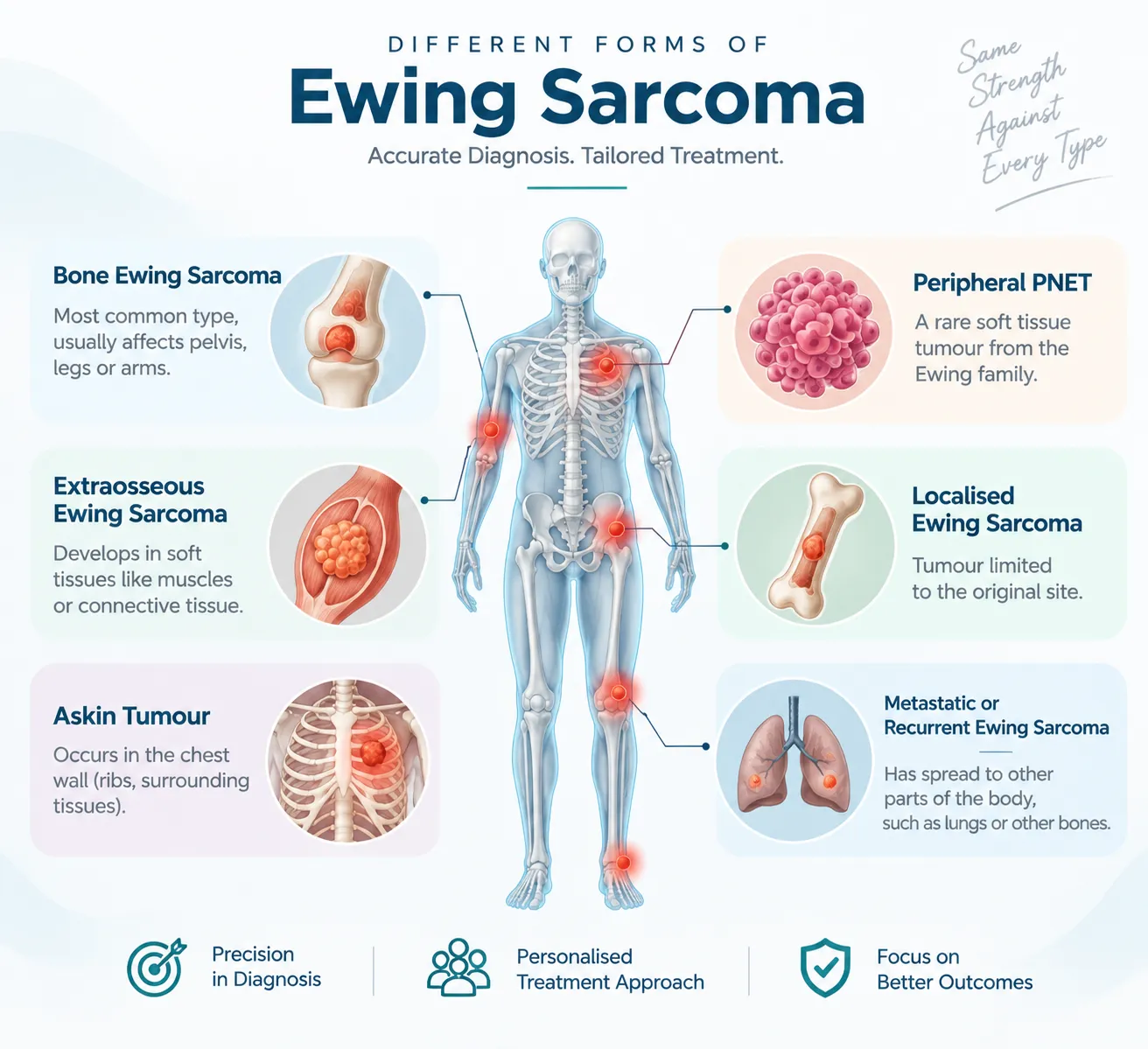
Types of Chondrosarcoma Treated by Dr. Aanchal Bhatia
Ewing Sarcoma belongs to the Ewing family of tumours, which can develop in bones or soft tissues. The exact type and location of the tumour help specialists determine the most suitable treatment approach.
Dr. Aanchal Bhatia, a competent bone cancer specialist in Bangalore, can help determine the exact tumour type and create an appropriate treatment plan based on individual factors.
How do doctors confirm Ewing Sarcoma? Let’s discuss the tests used to identify and evaluate this bone tumour.
How Is Ewing Sarcoma Diagnosed?
Early diagnosis is crucial for managing Ewing Sarcoma — but it’s not always obvious. The symptoms can look like other, more ordinary bone issues so the workup has to be thorough.
Clinical Evaluation
The process begins with assessing symptoms, medical history, and physical examination. Persistent bone pain, swelling, or a lump may require further investigation.
Imaging Tests
Imaging helps determine the tumour’s location, size, and spread.
- X-ray — detects abnormal changes in the bone structure
- MRI Scan — a closer, more detailed look at the tumour and surrounding tissue
- CT Scan — evaluates bone involvement and supports treatment planning
- PET Scan/Bone Scan — checks whether the tumour has spread to other areas
Biopsy
A tissue sample is taken from the tumour and sent off to the lab. This step confirms the diagnosis — everything before it is groundwork.
Molecular and Genetic Testing
Ewing Sarcoma has some known genetic markers, and testing for these can add another layer of certainty to the diagnosis.
Staging Evaluation
From here, it’s about figuring out whether the tumour is localised or has spread. That answer shapes the entire treatment plan.
How Is Ewing Sarcoma Treated?
Ewing Sarcoma Surgery
Wide Local Excision
Limb Salvage Surgery
Prosthetic Implants
Bone Grafts
Biological Reconstruction
Curettage and Reconstruction
Amputation
Chemotherapy
Radiation Therapy
Targeted and Advanced Therapies
Rehabilitation and Follow-Up Care
Recovery After Ewing Sarcoma Treatment
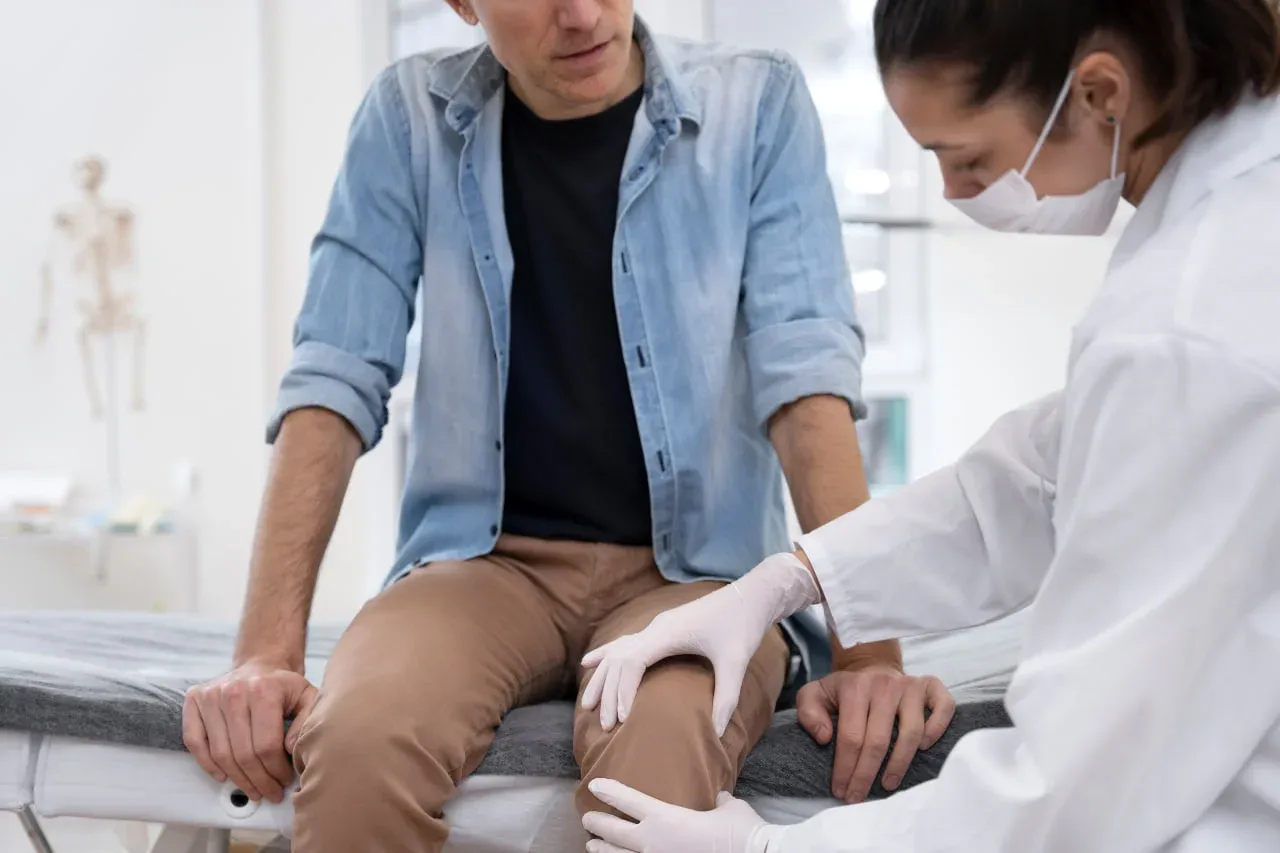
Regular Follow-Up Long-term monitoring is important after treatment. Follow-up may include: ● Physical examinations ● Imaging tests ● Monitoring for recurrence
Returning to Daily Activities With proper rehabilitation and medical guidance, many patients gradually return to their regular activities, education, work, and personal goals.
Why Choose Dr. Aanchal Bhatia for Ewing Sarcoma Treatment in Bangalore?
Specialised Orthopaedic Oncology Expertise
Dr. Aanchal Bhatia is a specialised orthopaedic oncologist in Bangalore with focused expertise in diagnosing and treating bone and soft tissue tumours, including sarcomas like Ewing Sarcoma.
Experience in Sarcoma and Bone Tumour Care
Her clinical experience includes evaluation, biopsy planning, tumour removal, reconstruction, and follow-up— across complex musculoskeletal oncology conditions.
Focus on Limb Preservation
Where it’s medically sound, the plan focuses on saving the limb — through limb salvage surgery and reconstruction — rather than defaulting to more drastic options.
Personalised Treatment Planning
No two cases get treated identically. Tumour location, stage, and the patient’s health all factor into how the plan is built.
Research-Based Approach
She has contributed to research and publications in orthopaedic oncology — reflecting an evidence-based approach towards complex tumour management.
Comprehensive Care Journey
From diagnosis through staging, surgery, rehab, and every follow-up— a structured approach helps patients receive coordinated care throughout treatment.
Frequently Asked Questions
1. What are the symptoms of Ewing Sarcoma?
2. What is the treatment for Ewing Sarcoma?
3. Is surgery required for Ewing Sarcoma?
4. Can Ewing Sarcoma be cured?
5. Can Ewing Sarcoma come back after treatment?
Disclaimer: The information shared in this content is for educational purposes and not for promotional use.